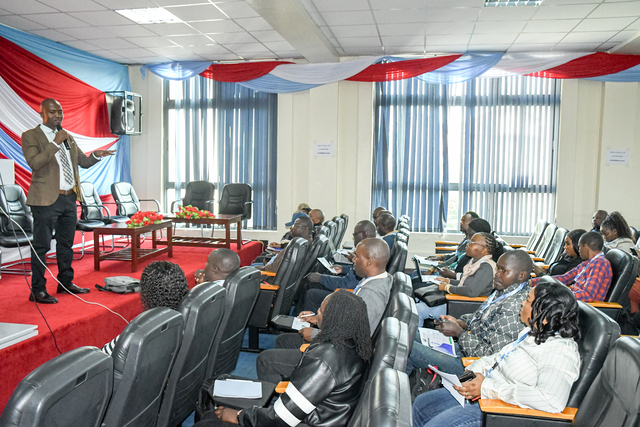
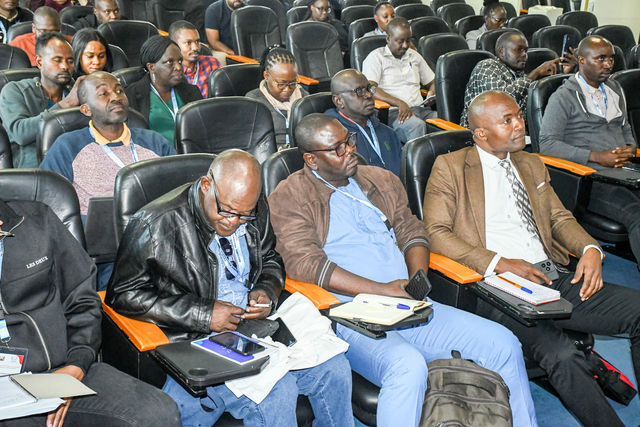
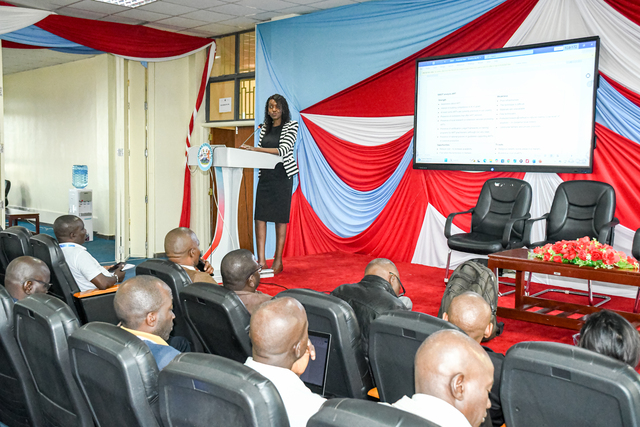
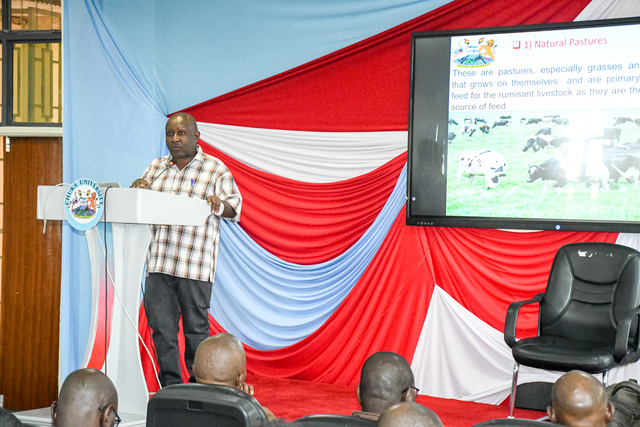
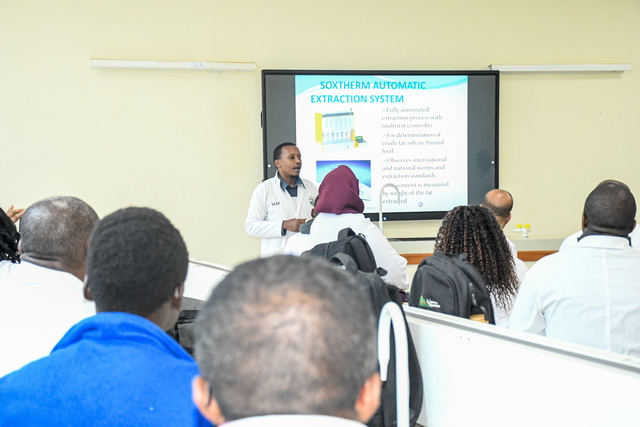
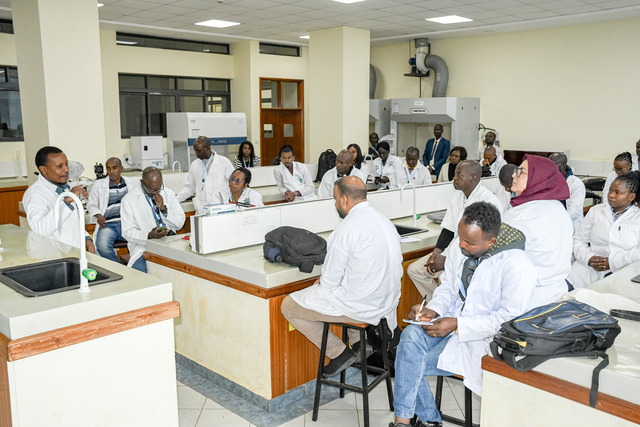
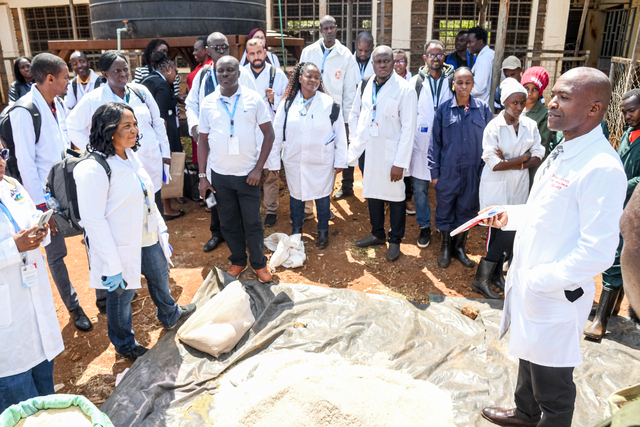
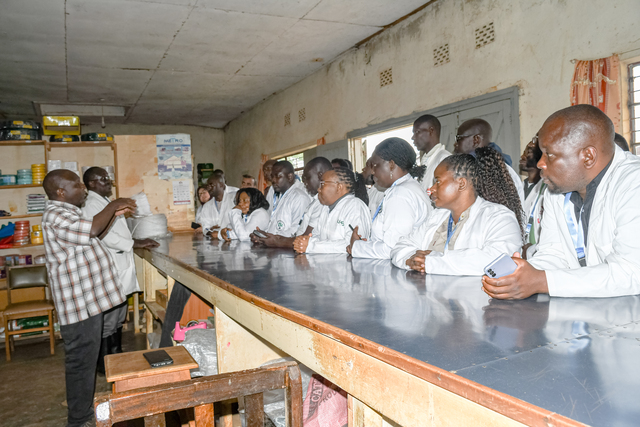
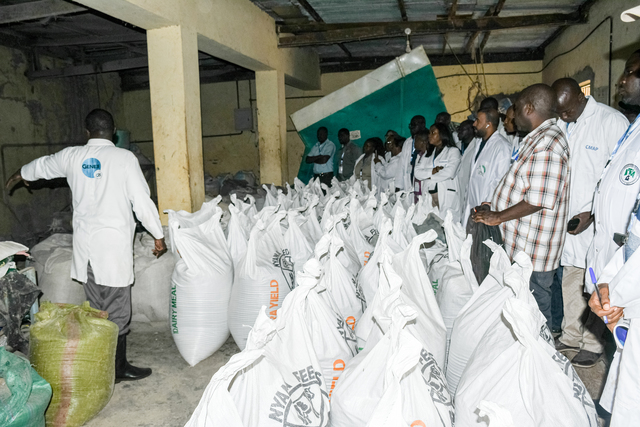
Day two of the Second Summer School on Nuclear-Based Livestock Technologies delivered a powerful mix of scientific insight and practical training, reinforcing Africa’s ambition to transform its livestock sector through innovation. Participants engaged in solution-driven discussions, nutritional science sessions, and field visits that bridged theory and practice. The day opened with a dynamic plenary session, where participants built on the challenges raised during Day 1. Through structured discussions, they explored collaborative, science-based solutions aligned with Africa’s agricultural development priorities. In a key technical session, Dr. Mary Gichure and Dr. James Kinyua led an in-depth presentation on nutritional management. Topics included fertility, energy balance, body condition scoring, and the impact of mineral and vitamin deficiencies on reproductive performance—critical factors influencing livestock productivity. Practical learning followed in the afternoon as participants visited Chuka University’s Feed Analysis Laboratory for a hands-on proximate analysis exercise. This session introduced trainees to techniques for evaluating feed nutrient content, a foundational skill in designing effective livestock rations. The day concluded with an educational tour of Nyanja Feed Mill Factory. Here, participants witnessed firsthand the full feed production process—from formulation to rationing—and learned how a locally grown initiative evolved into a sustainable, scalable agribusiness model. By sunset, participants had deepened their understanding of both the science and the application of nuclear-based livestock technologies—fueling their capacity to effect meaningful change across the continent’s livestock systems.
Chuka University is …… Inspiring Environmental Sustainability for Better Life